
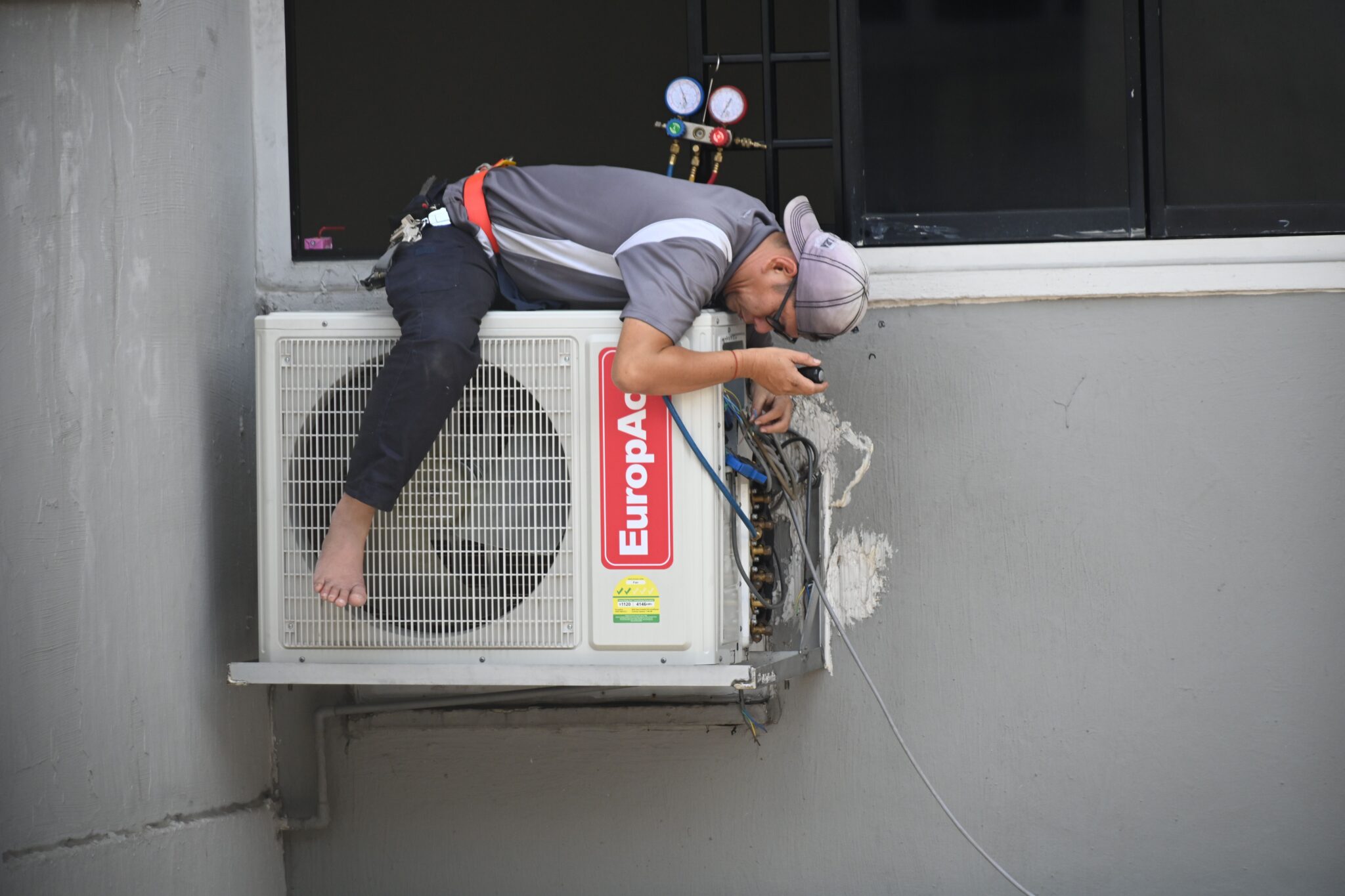
What are the four pillars of a planned maintenance system?
The four pillars of a planned maintenance system are preventive maintenance, predictive maintenance, corrective maintenance, and breakdown maintenance. Together, these maintenance strategies provide a structured approach to equipment care by combining scheduled service, condition monitoring, targeted improvements, and repairs when appropriate.
Understanding the Four Pillars of a Planned Maintenance System
A planned maintenance system (PMS) provides a structured approach to maintaining equipment before problems lead to costly downtime. Rather than relying solely on repairs after a failure occurs, a PMS combines multiple maintenance strategies to help keep equipment operating as intended.
Each of the four pillars serves a different purpose, and together they create a balanced maintenance program that supports long-term equipment management.
1. Preventive Maintenance
Preventive maintenance is based on scheduled service intervals using time, operating hours, or usage. Maintenance tasks are completed whether or not equipment is currently showing signs of wear.
Common preventive maintenance activities include:
- Replacing filters on a scheduled basis
- Lubricating moving components
- Performing routine inspections
- Changing fluids after a set number of operating hours
The goal is to address routine maintenance needs before predictable issues develop and help keep equipment in good operating condition.
2. Predictive Maintenance
Predictive maintenance uses condition monitoring and equipment data to identify potential issues before they become more significant.
Examples include:
- Thermal imaging to detect overheating components
- Vibration analysis to identify worn bearings
- Monitoring equipment performance trends
- Inspecting systems for early signs of deterioration
Instead of following a fixed schedule, maintenance is performed when equipment data indicates that service may be needed.
3. Corrective Maintenance
Corrective maintenance focuses on resolving the underlying causes of recurring equipment problems rather than repeatedly repairing the same issue.
This may involve:
- Upgrading worn components
- Improving equipment design
- Replacing parts with more durable alternatives
- Modifying systems to address recurring issues
By addressing root causes, corrective maintenance supports a more efficient maintenance program over time.
4. Breakdown Maintenance
Breakdown maintenance, sometimes called run-to-failure maintenance, allows equipment to operate until it stops working before repairs or replacement are performed.
This approach is generally reserved for non-critical equipment where:
- Downtime has minimal operational impact
- Replacement costs are relatively low
- Scheduled maintenance may not be practical
When used appropriately, breakdown maintenance can be one component of an overall planned maintenance strategy.
How the Four Pillars Work Together
The strongest planned maintenance programs do not rely on just one maintenance method. Instead, they combine all four approaches based on the importance of each asset and its operating conditions.
For example, preventive maintenance addresses routine wear, predictive maintenance identifies developing issues through monitoring, corrective maintenance focuses on recurring problems, and breakdown maintenance may be appropriate for equipment where an unexpected failure has limited operational impact.
Using these strategies together provides a balanced framework for managing equipment maintenance.
Best Practices for a Successful Planned Maintenance System
A successful planned maintenance system requires more than scheduling maintenance tasks. It also depends on organized processes and accurate documentation.
Key best practices include:
- Creating clear asset hierarchies so equipment is easy to identify and track
- Developing standardized maintenance procedures with detailed instructions
- Connecting maintenance tasks to the correct spare parts to support inventory planning
- Recording completed work with checklists, photos, and maintenance histories for future reference
These practices help improve consistency while making maintenance activities easier to manage over time.
What Does This Mean for HVAC Systems in Tucson, Arizona?
For homeowners and businesses in Tucson, Arizona, planned maintenance is an important part of caring for HVAC systems throughout the year. Regular maintenance gives technicians the opportunity to inspect system components, identify developing concerns, and recommend appropriate maintenance based on the condition of the equipment.
Whether maintaining residential or commercial HVAC systems, preventive, predictive, corrective, and breakdown maintenance strategies each have a role depending on the equipment and its operating conditions. In Tucson, Arizona, where heating and cooling systems often experience extended operating periods, a structured maintenance approach can help support ongoing system care.
Myth: Planned Maintenance Means Everything Must Be Serviced on a Fixed Schedule
A common misconception is that every piece of equipment should receive maintenance only according to a calendar schedule.
In reality, a planned maintenance system uses multiple maintenance strategies. While preventive maintenance follows scheduled intervals, predictive maintenance relies on equipment condition, corrective maintenance addresses recurring issues, and breakdown maintenance may be appropriate for certain non-critical assets. Selecting the appropriate strategy for each asset creates a more balanced maintenance program.
FAQ
What is the purpose of preventive maintenance?
Preventive maintenance involves scheduled inspections, servicing, and part replacements to help address routine wear and maintain equipment according to planned service intervals.
How is predictive maintenance different from preventive maintenance?
Predictive maintenance uses condition monitoring and equipment data to determine when maintenance may be needed, while preventive maintenance follows predetermined schedules regardless of equipment condition.
When is breakdown maintenance appropriate?
Breakdown maintenance is typically appropriate for non-critical equipment where unexpected failure has minimal operational impact and scheduled maintenance may provide limited benefit.
Why is corrective maintenance important?
Corrective maintenance addresses the underlying causes of recurring equipment issues through upgrades or system improvements instead of repeatedly repairing the same problem.
What are the four pillars of a planned maintenance system?
The four pillars of a planned maintenance system are preventive, predictive, corrective, and breakdown maintenance. Together, these approaches help keep HVAC equipment operating reliably by combining scheduled service, condition monitoring, targeted improvements, and repairs when needed. For homes and businesses in Tucson, this balanced strategy supports consistent system performance.
Conclusion
The four pillars of a planned maintenance system—preventive, predictive, corrective, and breakdown maintenance—each serve a distinct purpose. When used together, they provide a balanced approach to equipment care through scheduled service, condition monitoring, targeted improvements, and repairs when appropriate.


