
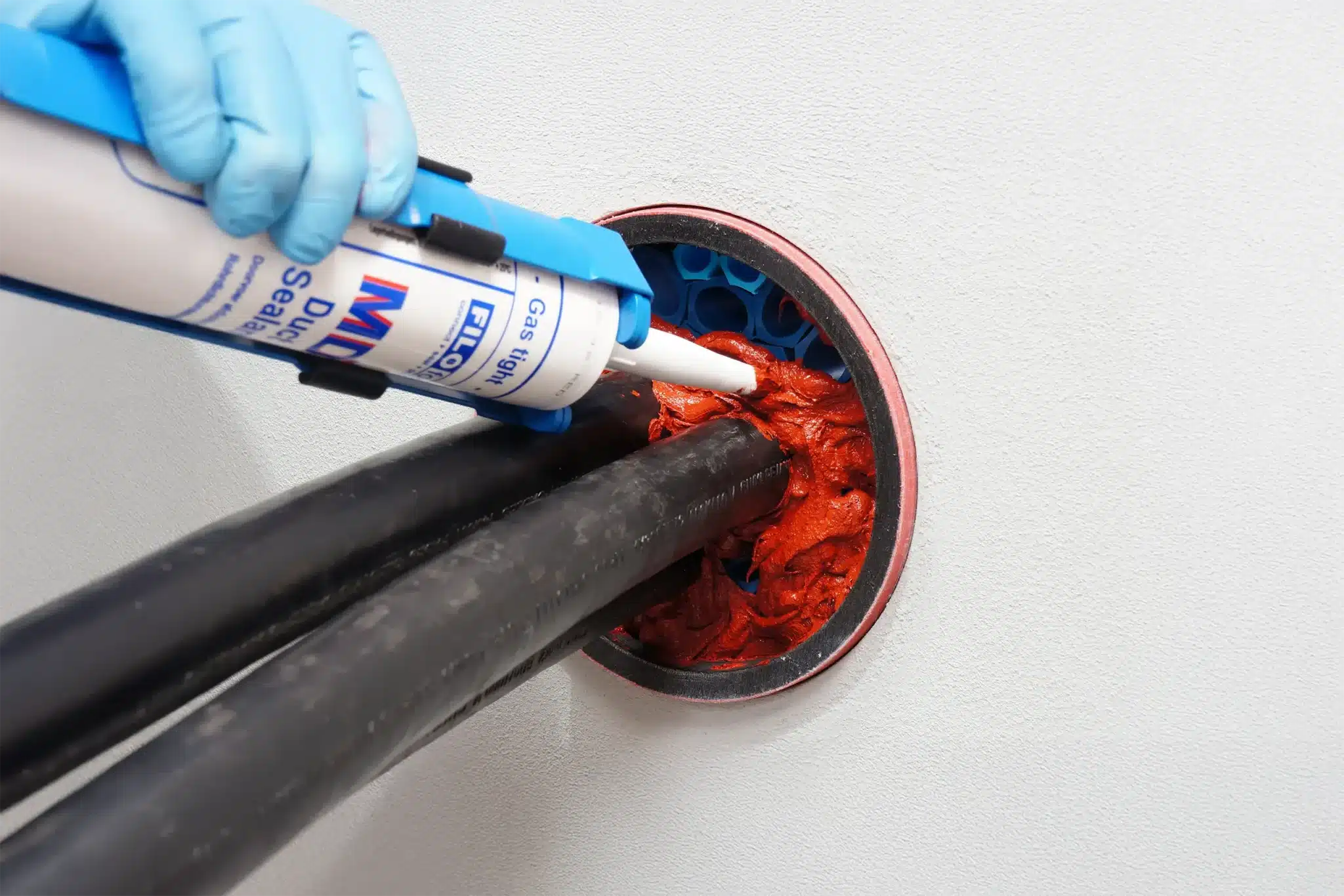
How long does duct sealing last?
Duct sealing commonly lasts about 10 to 20 years or longer, depending on the sealing material, installation quality, duct condition, and exposure to heat or moisture. In Tucson attics, extreme temperatures can shorten its service life, so periodic HVAC inspections help identify cracks, loose joints, or renewed air leakage.
What Determines How Long Duct Sealing Lasts?
Duct sealing does not have one fixed lifespan for every HVAC system. A properly completed sealing job may remain effective for 10 to 20 years or longer, but the actual service life depends on the materials used and the conditions surrounding the ductwork.
Professional sealing materials are generally designed to remain flexible and durable as the duct system expands and contracts. However, aging ducts, weak connections, poor installation, and harsh environmental conditions can cause a seal to deteriorate earlier than expected.
Several factors can affect how long the results last:
- The type and quality of sealing material
- How thoroughly the ducts were prepared before sealing
- The condition and age of the ductwork
- Movement or vibration from HVAC operation
- Exposure to excessive heat, moisture, dust, or pests
- Whether damaged ducts were repaired before sealing
A seal placed over a stable, properly connected joint is likely to perform better than one applied to a loose, damaged, or contaminated surface. For this reason, installation quality is just as important as the sealing product itself.
Which Duct-Sealing Materials Tend to Be More Durable?
The durability of duct sealing depends partly on whether the correct material was used for the application. HVAC professionals commonly use duct mastic, approved foil tape, or specialized internal sealing systems. Each option serves a different purpose.
Duct mastic is a thick material applied around seams, joints, and small gaps. Once cured, it creates a flexible seal that can tolerate some movement in the duct system. Approved foil tape may be used on certain connections when it is properly applied to a clean surface.
Ordinary cloth-backed duct tape is not considered a durable solution for HVAC ductwork. Despite its name, it may dry out, loosen, or separate under changing temperatures. A temporary patch made with unsuitable tape may therefore fail much sooner than a professionally applied sealing material.
Even a high-quality product cannot correct every duct problem. Sections that are crushed, heavily corroded, disconnected, or otherwise damaged may need repair or replacement before sealing can provide dependable results.
How Can Tucson Attic Conditions Affect Duct Sealing?
Attic ductwork in Tucson, Arizona may experience prolonged exposure to extreme heat. Repeated heating and cooling can cause metal, flexible ducts, fasteners, and sealing materials to expand and contract. Over time, that movement may place stress on seams and connections.
Ducts in unconditioned spaces can also be affected by insulation problems, accumulated dust, moisture intrusion, or physical disturbance during other attic work. If a duct section shifts or a supporting strap loosens, previously sealed joints may begin leaking again even when the sealing material itself has not reached the end of its expected lifespan.
Because conditions vary from one home to another, Tucson homeowners should not assume that sealing will remain unchanged for a specific number of years. Periodic HVAC inspections can help identify renewed leakage, deteriorated connections, or damaged duct sections before they significantly affect comfort and system performance.
What Are the Signs That Duct Sealing May Be Failing?
Duct leakage is not always visible because much of the system may be hidden in an attic, ceiling, or wall. However, changes in HVAC performance can indicate that sealed areas should be inspected.
Possible warning signs include:
- Rooms becoming difficult to heat or cool evenly
- Weak airflow from certain supply vents
- More dust appearing around the home
- Unusual noises near duct connections
- Visible gaps, loose joints, or damaged insulation
- The HVAC system running longer than expected
- Hot or cold air escaping into the attic
These signs do not automatically confirm failed duct sealing. Similar symptoms can result from dirty filters, equipment problems, blocked vents, or improperly balanced airflow. An HVAC inspection can identify whether the ductwork is contributing to the problem.
Myth: Duct Sealing Is a Permanent One-Time Repair
A common myth is that sealed ducts will never leak again. Quality duct sealing can last for many years, but no installation is completely immune to aging, temperature changes, moisture, movement, or physical damage.
The more accurate expectation is that professional duct sealing provides a long-term improvement that may last 10 to 20 years or longer under suitable conditions. Periodic inspection remains worthwhile, especially when ductwork is located in a hot Tucson attic or when comfort and airflow begin to change.
FAQ
Does all duct sealing last 10 to 20 years?
No. That range is common, but actual longevity depends on the sealing material, workmanship, duct condition, and exposure to heat, moisture, vibration, or damage.
Can old ductwork be resealed?
Old ductwork may be resealed if it remains structurally sound. Crushed, disconnected, corroded, or heavily deteriorated sections may require repair or replacement first.
How can I tell if sealed ducts are leaking again?
Uneven temperatures, weak airflow, excess dust, longer HVAC cycles, or visible gaps may indicate leakage, although a professional inspection is needed to confirm the cause.
Should duct sealing be checked during HVAC maintenance?
Yes. Periodic inspection can reveal loose joints, damaged duct sections, deteriorated sealing material, or other airflow problems before they become more extensive.
How long does duct sealing last?
Duct sealing commonly lasts about 10 to 20 years or longer, depending on the sealing material, installation quality, duct condition, and exposure to heat or moisture. In Tucson attics, extreme temperatures can shorten service life, so periodic HVAC inspections help identify cracks, loose joints, or renewed air leakage.
Conclusion
Duct sealing commonly lasts 10 to 20 years or longer, but its service life depends on the material, installation quality, duct condition, and surrounding environment. Heat, moisture, movement, and existing damage can all cause air leaks to return sooner.


