When your heating system starts acting up, the question usually comes fast: fix it again or start thinking about heating replacement. Rising energy bills, uneven temperatures, and repeated breakdowns put many homeowners in that exact spot. The decision is not always straightforward, especially when short-term repair costs look smaller than a full system upgrade.
Understanding system age, efficiency, repair history, and long-term operating costs helps you make a clear, confident choice that protects both comfort and your budget.
Heating Replacement vs. Repair: How to Decide
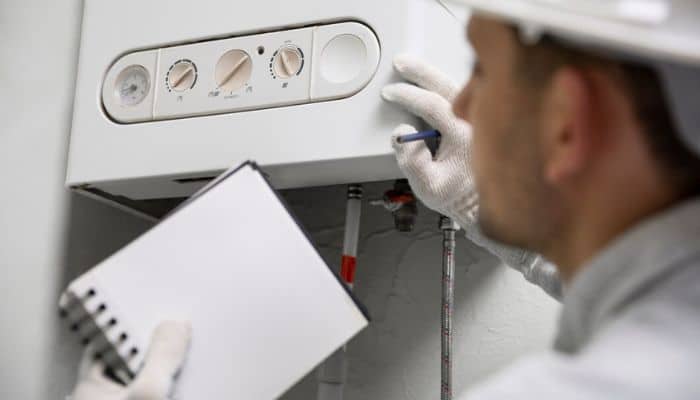
This decision is rarely a simple yes or no. It depends on how your system is performing today and what it will cost you over time. A professional system diagnosis matters because surface symptoms often hide deeper efficiency or safety problems. Trained technicians evaluate airflow, heat exchanger condition, electrical components, and system efficiency ratings before recommending a path forward.
Four core factors usually guide the decision:
- System age: Most residential heating systems are designed to operate reliably for approximately 15–20 years. Once a system moves past that range, component wear accelerates and efficiency drops.
- Repair frequency: One isolated repair is normal. Multiple service calls within a short period signal declining reliability and higher future costs.
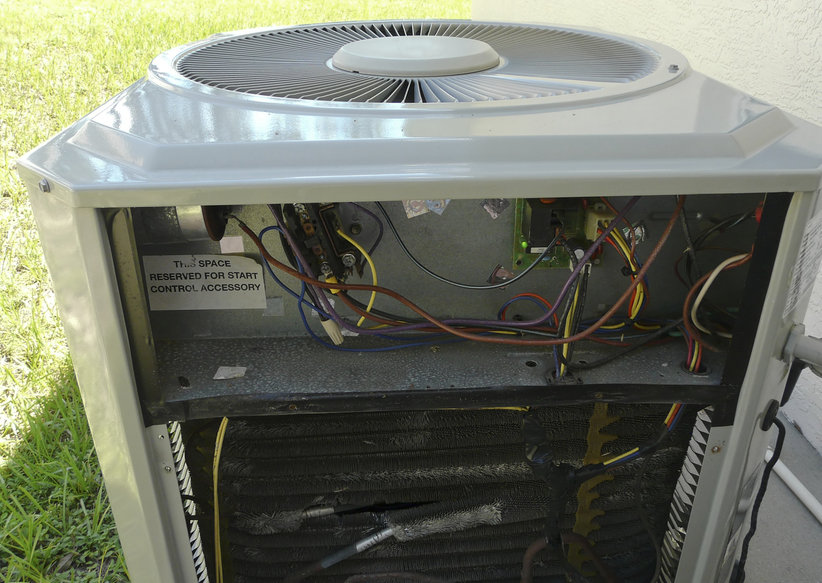
- Energy efficiency: Older units often operate far below current efficiency standards. Even if they still run, they may consume significantly more energy to deliver the same comfort.
- Total cost of ownership: This includes repair bills, monthly utility costs, downtime risk, and the impact on home value.
The True Cost Comparison: Repair vs. Heating Replacement
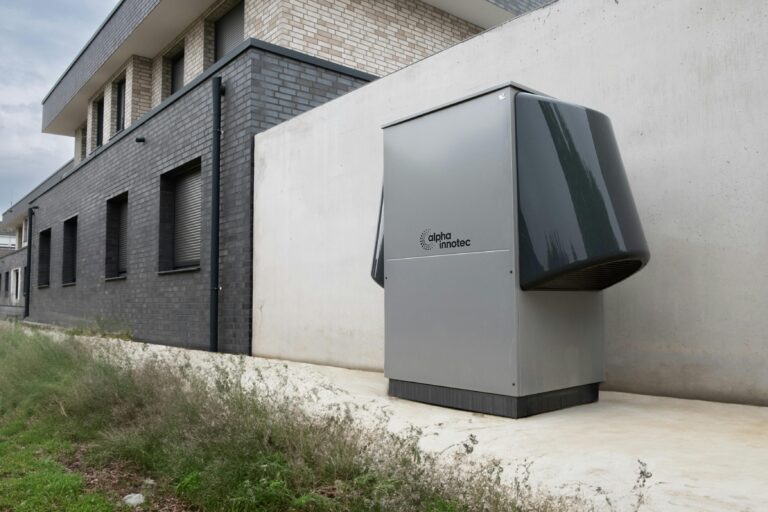
A single repair bill may appear reasonable at first, especially when you compare it to the cost of a heat pump replacement upfront. The problem appears when those repairs repeat. Homeowners often spend thousands over a few years trying to keep an aging system alive, only to replace it anyway.
A more accurate comparison considers lifecycle costs:
- Short-term repair expense versus replacement investment.
- Ongoing energy use with older equipment versus modern high-efficiency systems.
- Reduced emergency repair risk with new equipment.
In many cases, cumulative repair spending plus higher utility bills approach or exceed the cost of replacing a heat pump or the entire heating system.
Heating Repair May Be the Better Option When…
- The system is under 10 years old.
- The problem is isolated and non-recurring.
- The unit still meets current efficiency benchmarks.
- Manufacturer warranty coverage is active.
Even in these situations, a professional inspection confirms whether repair is truly the best option.
Heating Replacement Becomes the More Practical Option When…
- The system exceeds its expected service life.
- Repair costs reach 30–50% of replacement cost.
- Energy bills rise year over year without lifestyle changes.
- Comfort issues persist despite multiple repairs.
Replacement is often driven by cost control and long-term reliability, not just comfort, especially when you weigh the full heating system replacement cost against repeat repairs.
When to Act: A Practical Decision Checklist
- Age of your heating system.
- Total repair spending over the last 24 months.
- Trends in monthly energy bills.
- Current efficiency rating compared to modern systems.
- Eligibility for rebates or tax credits.
- Outcome of a professional HVAC evaluation.
Completing this checklist before deciding removes guesswork and reduces regret.
Professional Heating System Replacement Services
In a Google review, Barbara Patterson described a late-night heating failure that quickly became a comfort and safety concern. Roy, an expert technician from A1 Air Conditioning and Heating, arranged emergency service and arrived promptly the following morning when power issues delayed the original visit.
Barbara highlighted the team’s professionalism, detailed explanations, and photos documenting parts that might need attention in the future. She also noted that the warranty plan helped protect both repairs and ongoing maintenance, describing it as a “lifesaver.”
According to Barbara, consistent responsiveness and clear communication made a stressful situation manageable.
Long-Term Benefits of Heating Replacement
- Lower monthly energy bills: Newer systems operate at significantly higher efficiency levels, reducing energy waste and stabilizing utility costs.
- Improved comfort consistency: Modern equipment delivers more even heat distribution, eliminating cold spots and temperature swings.
- Lower environmental impact: High-efficiency systems consume less fuel and align better with environmental goals.
- Fewer emergency repairs: New installations reduce unexpected breakdowns and service disruptions.
- Smart thermostat and home system compatibility: Today’s systems integrate easily with programmable and smart thermostats.
- Increased property value: Updated HVAC systems appeal to buyers and inspectors alike.
- Access to available incentives: Energy-efficient heating replacement may qualify for federal tax credits. According to the Arizona Clean Energy Hub, “eligible households can claim credits for qualified energy-efficient home improvements.” (Source: Arizona Clean Energy Hub – Energy-Efficient Home Improvement Credit 25C)
Get Professional Heating Replacement Designed for Modern Homes
When you consider heating replacement, we focus on how your home actually performs in Arizona’s climate, not just on equipment specs. We design solutions around your home size, your budget, and your long-term energy goals, so you are avoiding unnecessary system capacity. As a family-owned company, we stay mindful of your comfort and costs.
Our certified technicians are trained in modern heating system technology and deliver code-compliant installation work. You can explore our comprehensive heating services. For clear estimates and free consultations, call us at (520) 738-4147 or schedule an appointment.
FAQs
How do I know when repair costs are too high?
If repairs approach 30–50% of the heat pump replacement cost, replacement usually offers better long-term value.
Will heating replacement lower my energy bills?
Most homeowners see lower bills due to higher efficiency, though savings vary by system and usage.
How long does a heating system replacement take?
Most residential replacements are completed within 1–2 days, depending on system type.
Are rebates available for heating upgrades?
Yes, many energy-efficient systems qualify for state or federal incentives.
Can a professional help me decide?
A licensed HVAC technician can assess performance, safety, and costs to guide the decision.